
Living With Personality Patterns: Understanding and Finding Support
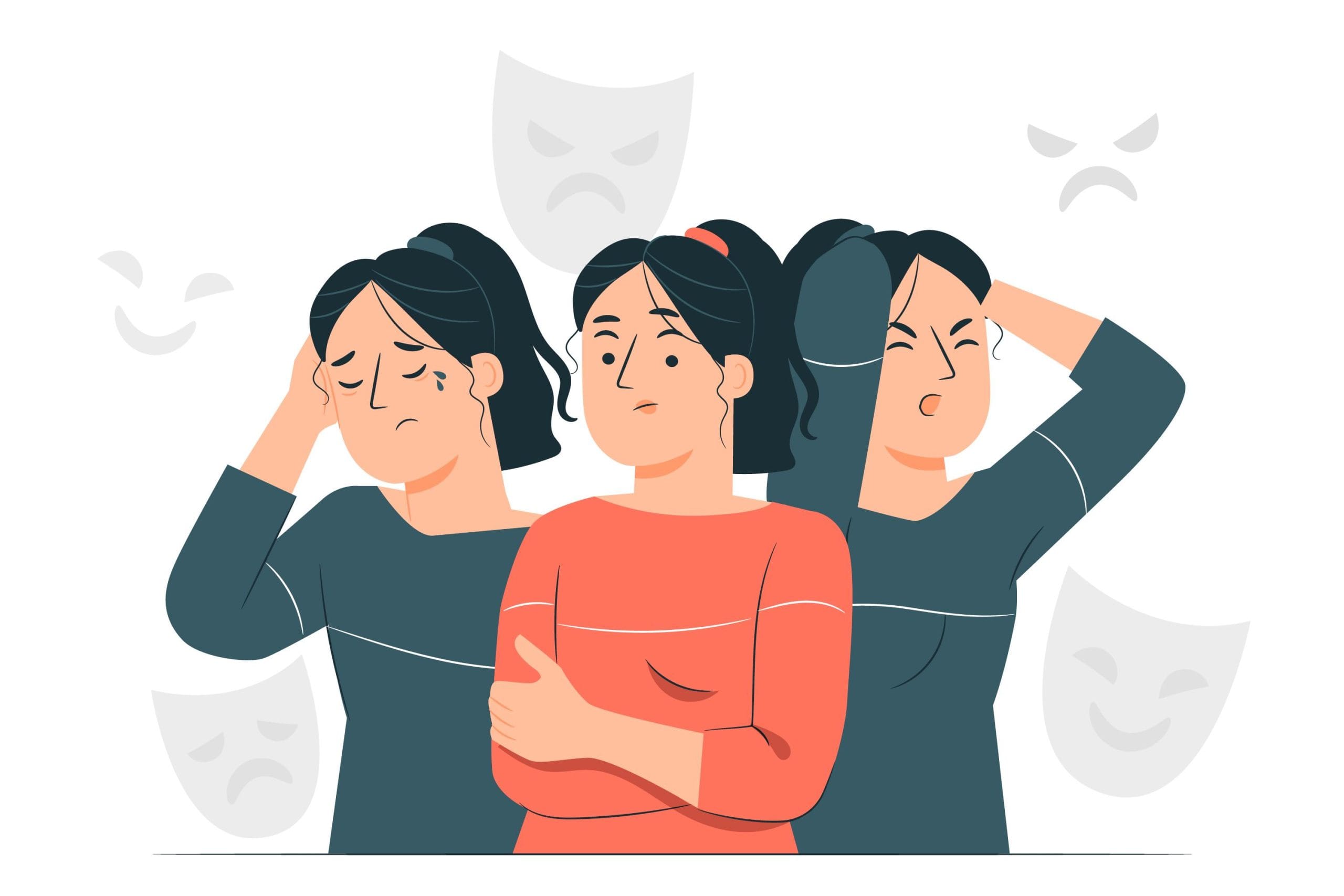
Living with long-standing emotional and relational patterns can feel complex and, at times, exhausting. Many people experience intense emotions, sensitivity to relationships, or difficulty feeling steady inside, especially under stress. These experiences are often grouped under the term personality disorder, but behind that label are human systems doing their best to adapt, protect, and survive.
Understanding these patterns through a compassionate, integrative lens can make it easier to move toward support without shame or self-blame.
Looking at Personality Patterns With Care and Context
Personality patterns don’t develop in isolation. They often reflect how someone’s nervous system, emotional world, and relationships shaped one another over time. What may now feel disruptive or painful once served a protective purpose.
When these patterns are understood as adaptations rather than defects, space opens for curiosity, compassion, and change. Progress doesn’t come from forcing different behavior; it comes from understanding what the system needs to feel safer and more regulated.
Daily Life With Emotional Intensity
Many people living with these patterns notice:
-
strong emotional reactions that arrive quickly
-
difficulty feeling grounded after interpersonal stress
-
heightened sensitivity to rejection, conflict, or loss
-
challenges maintaining steady relationships, even when connection is deeply desired
These experiences can be tiring, but they are not evidence of failure. They are signals that the system is working hard to stay oriented and protected.
Support That Focuses on Understanding, Not Fixing
Care is most helpful when it prioritizes safety, pacing, and trust. Therapeutic work often focuses on emotional awareness, relational patterns, and learning how to stay present with feelings without becoming overwhelmed by them.
In some cases, medication may support emotional steadiness, particularly when anxiety, mood shifts, or sleep disruption are present. An integrative approach also considers stress load, recovery, and the body’s role in emotional regulation.
Support unfolds gradually. Stability grows as the system learns it doesn’t have to manage everything alone.
Connection and Support Matter
Feeling understood, without judgment, is often a meaningful part of healing. Supportive relationships, whether personal or therapeutic, can help create a steadier internal footing over time.
You don’t need to have everything figured out before seeking support. Care begins with listening, not labels.
A Note for Those Considering Support
If you’re navigating intense emotional patterns or relational challenges and would like thoughtful, steady support, I’m here. Contact us today to explore your options and start your path toward better mental health.